Month-by-month guide
Best Time to Dive in Playa del Carmen
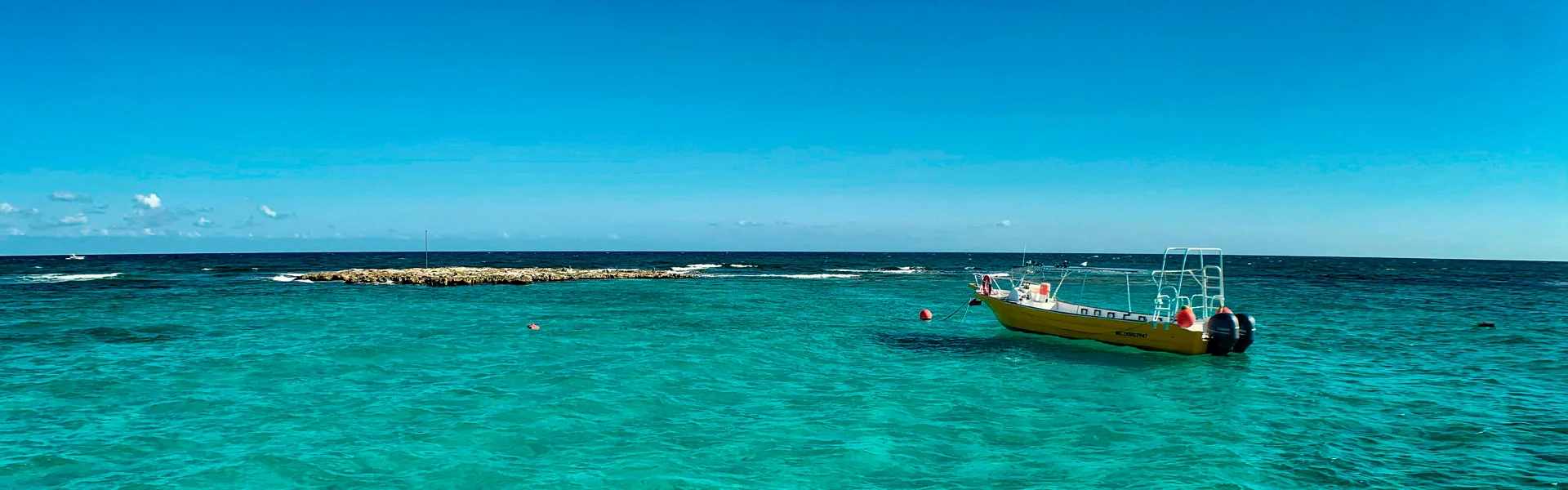
Playa del Carmen offers diving twelve months a year. Cenotes stay at a constant 25°C, Cozumel is accessible year-round and the Caribbean Sea rarely disappoints. But some experiences are seasonal: bull sharks from November to March, and whale sharks from May to September.
Choosing the right dates can be the difference between a good dive trip and one you will remember for years. This guide goes month by month: what you can see, what you miss and what makes each period worthwhile. Practical, direct and designed to help you plan your trip with Scuba Alux.
January and February — The best time for shark lovers
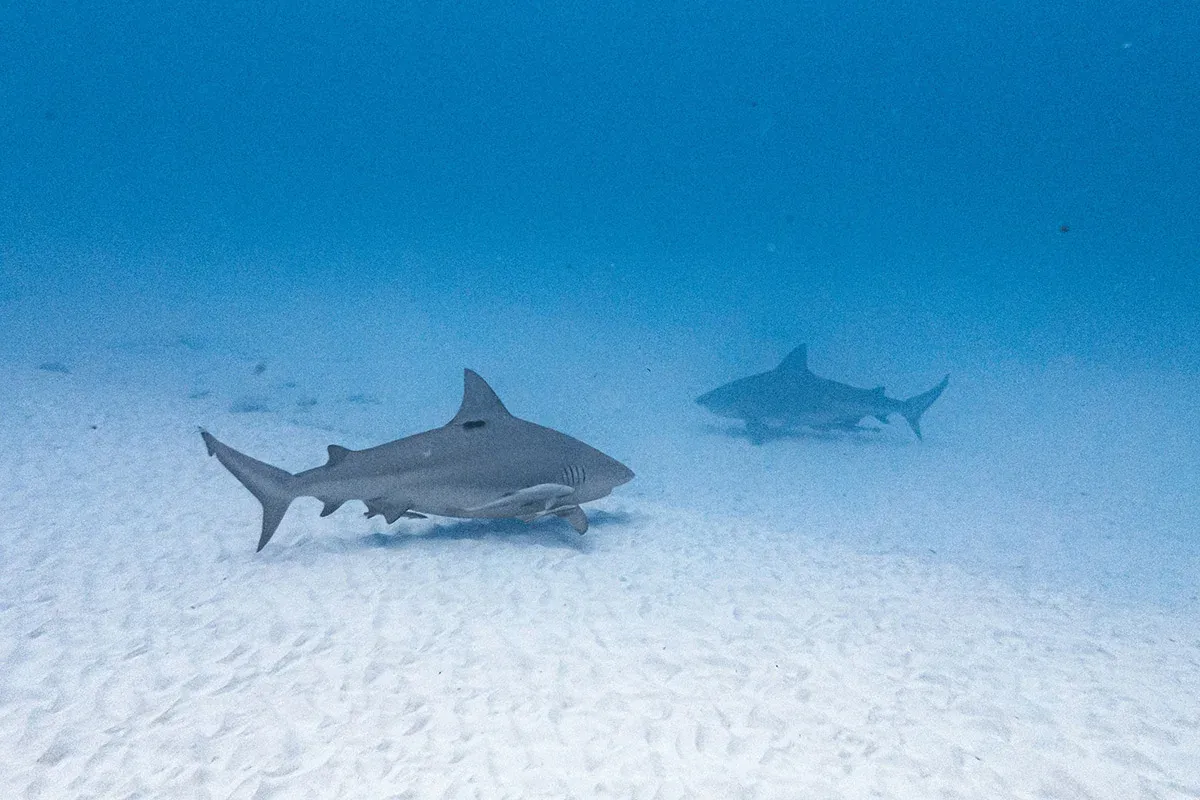
January and February are the key months for bull shark diving in Playa del Carmen. Pregnant females have been gathering off Mamitas Beach for several weeks, and the number of sharks per dive is at its highest. Seeing 5 to 15 sharks on a single dive is not unusual when the season is good.
| ✅ Pros | ❌ Cons |
|---|---|
| Bull shark peak: 5-15 sharks per dive | No whale shark: the season does not start until mid-May |
| Exceptional visibility in cenotes and Cozumel | The Caribbean Sea can be slightly cooler, around 24-26°C; a 5 mm wetsuit is recommended |
| High diving season, with a lively atmosphere in town | Boat spots for Playa del Carmen, Cozumel and bull shark dives sell out earlier |
| Cenotes are excellent all month | Higher demand: booking in advance is important |
Best for: Best for divers who want bull sharks as the main experience. This is when the highest concentration of females is usually found off Mamitas Beach.
March — A transition month with almost everything available
March is the closing month of the bull shark season. Sightings are still good in most years, although the number of sharks per dive starts to drop compared with January and February. Overall conditions are excellent: the water begins to warm up and the weather on land becomes very pleasant.
| ✅ Pros | ❌ Cons |
|---|---|
| Bull shark still active: end of season | Fewer bull shark sightings than in January and February |
| Water temperature starts to rise | No whale shark yet |
| Cenotes and Cozumel in excellent condition | Easter holidays may increase demand in town |
| Very pleasant weather on land | — |
Best for: Best for divers who still want a chance of bull sharks combined with great general conditions. If your trip overlaps with Easter, book early.
April — Quiet diving and ideal water
April is for divers who prioritise dive quality over big pelagic encounters. The water is at an ideal temperature, visibility in Cozumel is excellent and cenotes run normally. Without the pressure of peak season, the underwater experience is quieter and often more enjoyable.
| ✅ Pros | ❌ Cons |
|---|---|
| Water at 27-28°C: ideal for diving | No bull shark: season closed |
| Excellent visibility in Cozumel and spotted eagle ray season, with better chances of seeing them | No whale shark yet: still a few weeks away |
| Fewer tourists than in peak months | An in-between month without a headline animal |
| Cenotes start to get a very special light | — |
Best for: Best for divers who prioritise Cozumel and cenotes without peak-season pressure. Excellent conditions, fewer people and usually more reasonable flight and hotel prices.
May — Whale shark season begins
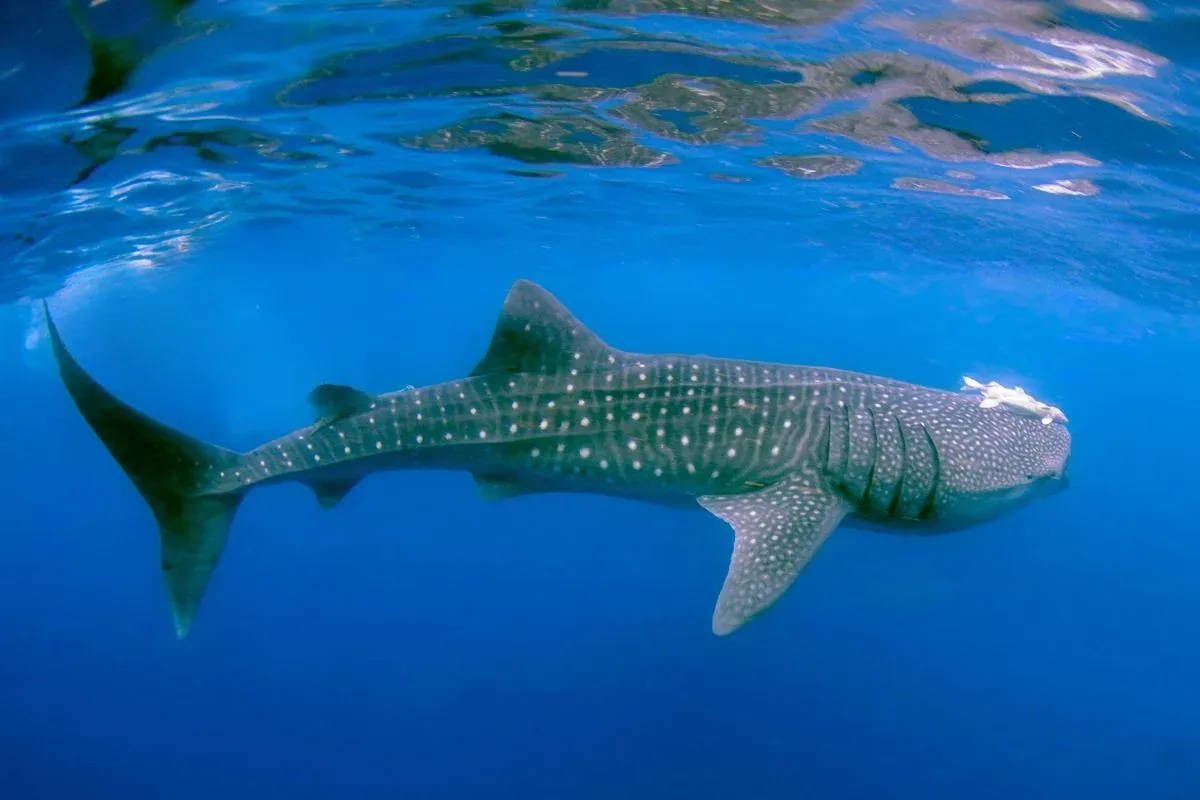
May marks the start of whale shark season in the Riviera Maya. The first individuals begin to appear, although the largest groups usually arrive in July and August. It is a great month for combining whale shark snorkelling with cenotes and Cozumel in the same trip, while prices are still reasonable.
| ✅ Pros | ❌ Cons |
|---|---|
| First whale shark sightings | No bull shark: wait until November |
| Warm, comfortable water around 28°C | Whale shark groups are still small; July and August are more spectacular |
| Beautiful light in the cenotes | Intense heat on land, although it is not a problem underwater |
| Cenotes and Cozumel are in great shape | — |
Best for: Best for anyone who wants to combine whale shark, cenotes and Cozumel in one trip. A strong transition month into summer.
June — Heat on the surface, wonders underwater
June is very interesting for divers looking for good value. Whale shark season is underway and groups grow week by week. Cenotes are in excellent condition: strong light at certain times of day, a constant 25°C and perfect visibility. Cozumel remains exceptional.
| ✅ Pros | ❌ Cons |
|---|---|
| Whale shark with growing groups | No bull shark |
| Cenotes at a perfect constant 25°C | Very intense heat on land: you will appreciate time underwater |
| Lower prices than July and August | Fewer whale sharks than during the July and August peak |
| Very good conditions in Cozumel | — |
Best for: Best for divers on a tighter budget who want the whale shark experience without July and August peak-season prices.
July and August — Whale shark peak
July and August are the headline months for whale shark. Dozens of individuals can gather in a single sighting, making this one of the most spectacular snorkelling experiences on the planet. For divers, cenotes are at their most photogenic, with natural light entering at perfect angles during the early morning.
| ✅ Pros | ❌ Cons |
|---|---|
| Whale shark peak: dozens of individuals | No bull shark: wait until November |
| Cenotes with spectacular natural light | High tourism season: more people in town |
| Water at 29-30°C: the Caribbean at its warmest | Book well in advance due to high demand |
| Excellent Cozumel diving with gentler summer currents | Very intense heat out of the water |
Best for: Best for experiencing whale shark at its most spectacular. If you travel with family or non-divers, whale shark snorkelling is accessible without a diving certification.
September — The quietest month of the year
September is the quietest month of the year in Playa del Carmen and, paradoxically, one of the most interesting for a certain type of diver. Cenotes are almost empty; you may dive Dos Ojos or Chac Mool with barely another group in the water. The underwater experience feels completely different from January or August.
| ✅ Pros | ❌ Cons |
|---|---|
| Lowest prices of the year | No bull shark yet: season starts in November |
| Cenotes almost to yourself | Last weeks of whale shark, with smaller groups |
| Highly personalised attention in a quiet destination | Some services may have reduced availability compared with high season |
| Warm water and flexibility to combine dives | — |
Best for: Best for divers who avoid crowds and want a more intimate experience. Cenotes in September feel totally different: quiet underwater and very personalised attention.
October — The perfect bridge month
October is a very underrated month for diving in Playa del Carmen. Conditions are excellent: the water remains warm, Cozumel visibility is perfect and cenotes work as usual. With no headline pelagic species and no high-season pressure, prices drop and underwater experiences are very calm.
| ✅ Pros | ❌ Cons |
|---|---|
| Low prices: full low season | No bull shark or whale shark |
| Water still warm at 28-29°C | If you want big pelagics, it is worth waiting until November |
| Perfect visibility in cenotes and Cozumel | Lower visitor numbers mean less atmosphere than other months |
| Fewer waits and fewer crowds | — |
Best for: Best for divers who want Cozumel and cenotes at a good price, without waiting times or crowds. Very underrated if dive quality matters more than large animal encounters.
November — Bull shark season begins
November marks the return of female bull sharks off Mamitas Beach. Sightings start with smaller groups than in January or February because the females arrive progressively, but the season is already active. Weather on land is among the best of the year: dry, cooler and very pleasant.
| ✅ Pros | ❌ Cons |
|---|---|
| First bull shark sightings of the season | No whale shark: season closed until May |
| Perfect cenote conditions | Fewer bull shark sightings than in January and February |
| Very pleasant weather as the heat starts to drop | Book early: the season starts to fill up |
| Less pressure than January and February | — |
Best for: Best for divers who want bull shark without the pressure of January and February. Fewer people, first females arriving and some of the best weather of the year on land.
December — The most complete month for diving in Playa del Carmen
December is the most complete month of the year for diving in Playa del Carmen. Bull shark season is active and numbers grow week by week towards the January peak. Cozumel conditions are exceptional, with some of the best visibility days of the year. Weather on land is dry, bright and pleasant.
| ✅ Pros | ❌ Cons |
|---|---|
| Bull shark active and increasing in numbers | No whale shark |
| Exceptional visibility in Cozumel and cenotes | Higher prices around Christmas and New Year |
| Perfect weather: dry and pleasant on land | Small-group spots sell out; book in advance |
| The full combination: bull shark, cenotes and Cozumel | The most requested month after January and February |
Best for: Best for travellers who want the most complete experience. Active bull shark season, perfect Cozumel and cenote conditions, and excellent weather on land.
Summary — When should you go?
Before choosing dates, decide which experience matters most to you. This table gives you the quick version:
| I want to see… | Best time | Also possible |
|---|---|---|
| Bull shark | January — February | November, December, March |
| Whale shark | July — August | May, June, September |
| Cenotes | All year | — |
| Cozumel | All year | — |
| Most complete experience | December — January | March |
| Lowest prices | September — October | April, June |
The honest conclusion: there is no bad month to dive in Playa del Carmen. Some months are simply better for specific experiences. The key is knowing what you want before choosing your dates.
Frequently asked questions about when to dive in Playa del Carmen
Quick answers to help you choose the best dates for your diving trip.
When is the best time to dive in Playa del Carmen?
It depends on what you want to see. For bull sharks, January and February are best. For whale sharks, July and August are the peak. For cenotes and Cozumel, diving is possible all year.
Can you dive in Playa del Carmen in summer?
Yes. Summer is the best time for whale sharks, cenotes work perfectly all year and Cozumel usually has excellent visibility. Water temperature reaches around 29-30°C.
What is the cheapest month to go diving?
September and October usually have the lowest demand and better prices. Diving conditions are still strong: great cenotes, warm water and Cozumel without crowds.
Can I see bull sharks and whale sharks on the same trip?
Not in the same month. Their seasons do not overlap: bull sharks are usually present from November to March, while whale sharks run from May to September. To see both, you would need two trips at different times of year.
Not sure which dates to choose?
Send us a message and we’ll help you choose the best season for what you want to see: bull sharks, whale sharks, cenotes, Cozumel or a mix of everything.